


Last updated: March 2026
Travel insurance can cover off-piste skiing, but only when the relevant winter sports cover is in place and the policy conditions are met. With Covered2Go, the key distinction is whether you remain within the ski area boundaries of a recognised ski resort and follow applicable resort and ski-patrol guidance.
Off-piste skiing offers fresh snow, fewer crowds and a sense of adventure, but travelling away from marked and groomed runs can introduce additional risks and insurance restrictions.
This guide explains when off-piste skiing insurance may provide cover, when restrictions or exclusions can apply, how backcountry skiing differs, and what you should check before leaving the piste.
Off-Piste Skiing Insurance at a Glance
Off-piste skiing within the ski area boundaries of a recognised resort is treated differently from skiing outside resort boundaries.
You must follow applicable safety instructions, warnings, closures and restrictions issued by the resort or ski patrol.
Under Covered2Go’s current terms, a guide is not a condition of cover when you remain within recognised resort boundaries and meet the applicable conditions.
Winter Sports Cover, the appropriate Sports and Activities level, policy conditions and exclusions should all be checked before travelling.
What Is Off-Piste Skiing?
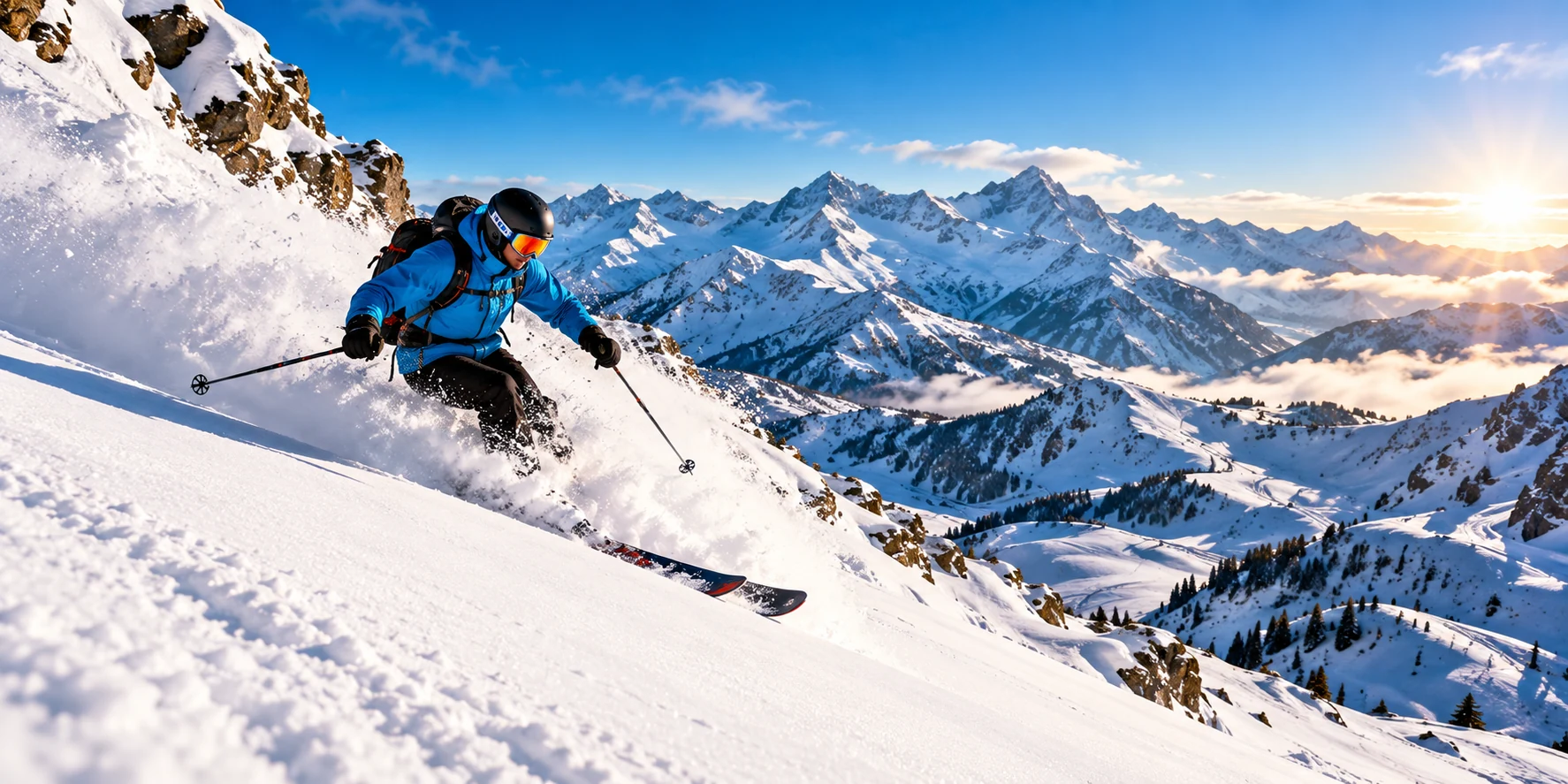
Off-piste skiing generally means skiing away from marked and groomed pistes. This can include ungroomed areas between marked runs, terrain within resort boundaries that is not prepared or maintained, and areas where snow conditions may be variable.
Off-Piste Within a Resort
This can include skiing away from groomed pistes while remaining within the recognised ski area boundaries of the resort. Policy conditions, resort regulations and ski-patrol guidance still apply.
Backcountry Skiing
Backcountry skiing takes place outside recognised ski resort boundaries and carries significantly different risks. From an insurance perspective, this distinction is important because different restrictions, conditions or exclusions can apply.
Does Travel Insurance Cover Off-Piste Skiing?
Sometimes — but only when the relevant cover is in place and the applicable policy conditions are met.
Standard travel insurance does not usually cover every skiing or snowboarding activity automatically. Winter Sports Cover and the appropriate Sports and Activities level may be required, and off-piste skiing is not covered in every situation.
Under Covered2Go’s current winter sports terms, conventional skiing and snowboarding can be covered when you are skiing within the ski area boundaries of a recognised ski resort and comply with the applicable conditions.
Key Conditions to Check
Remain Within Recognised Resort Boundaries
Where the relevant cover applies, remaining within the ski area boundaries of a recognised ski resort is an important distinction under Covered2Go’s current terms.
Follow Ski-Patrol Guidance
Follow applicable safety instructions, warnings, closures and restrictions issued by the resort or ski patrol based on local conditions.
Follow Resort Regulations
You should comply with the rules and regulations applying at your ski resort and avoid entering areas that have been closed or restricted.
Follow the FIS Code
Covered2Go’s current wording requires skiers and snowboarders to adhere to the International Ski Federation (FIS) code.
Under Covered2Go’s current terms, it is not a condition of cover that you ski or snowboard with a guide, provided you remain within recognised resort boundaries and follow the applicable resort regulations and safety guidance.
Read Winter Sports Cover: What’s Included? →
When Is Off-Piste Skiing Not Covered?
Off-piste skiing can fall outside the available cover when you leave recognised resort boundaries, ignore applicable safety instructions or take part in an excluded activity.
Cover may not apply if you:
Skiing or snowboarding outside recognised ski resort boundaries is subject to different cover requirements, restrictions and exclusions.
Backcountry skiing is distinct from skiing off-piste while remaining inside a recognised resort.
Entering an area closed because of avalanche risk or another hazard could affect cover.
The current wording includes exclusions applying to activities such as freestyle skiing or snowboarding, jumping, flying, acrobatics, stunts, ski racing and national squad training.
Activities With Limited or Restricted Cover
Some skiing and snowboarding activities can be subject to additional conditions, restrictions or exclusions. Personal Accident cover may also not apply to certain activities.
Skiing or snowboarding outside resort boundaries can be subject to additional restrictions and exclusions.
Activities accessed by helicopter or snowcat can have specific conditions and limitations.
Skiing or snowboarding in terrain parks within a resort can be subject to restricted terms.
Snowblading and cross-country or Nordic skiing on marked trails can also have activity-specific conditions.
Avalanche Risk and Off-Piste Skiing
Avalanche risk is one of the most significant hazards associated with off-piste skiing. Ski resorts and local authorities typically publish avalanche information to help skiers assess conditions away from prepared pistes.
Under Covered2Go’s current policy wording, specific avalanche risk levels are not defined as the determining condition. Instead, the important requirement is to follow applicable closures, restrictions, warnings and safety instructions issued by the resort or ski patrol at the time.
⚠️ What if an area is closed because of avalanche risk?
If an area within the ski resort boundary has been closed because of avalanche risk or another hazard, entering the closed area could affect your insurance cover.
Snow conditions can change rapidly, so follow resort signage, local guidance and ski-patrol instructions even when you remain inside recognised resort boundaries.
Read: Ski Travel Insurance & Avalanche Risk →
What May Ski Travel Insurance Cover?
Where Winter Sports Cover applies and all relevant policy conditions are met, your travel insurance may provide protection for several risks associated with a skiing holiday.
Eligible emergency medical treatment abroad where the policy conditions are met.
Mountain rescue and helicopter evacuation may be covered where medically necessary and the applicable policy conditions are satisfied.
Eligible repatriation to the UK may be provided where medically necessary and covered under the policy.
Cover may be available for eligible loss or damage to ski and snowboard equipment, subject to applicable limits and conditions.
Your main travel insurance policy may provide curtailment cover where an insured event, such as an eligible injury, means you have to cut your holiday short.
Looking for Winter Sports Travel Insurance?
Explore Covered2Go’s Winter Sports Travel Insurance page for information about available cover, Sports and Activities levels and options for eligible skiing and snowboarding trips.
How to Reduce Risk When Skiing Off-Piste
Insurance is only one part of preparing for off-piste skiing. Your decisions on the mountain and your response to changing conditions are also important.
Review the information available for your resort and local area before leaving prepared pistes.
Observe warnings, closures, resort signage and safety instructions.
Do not enter areas that have been closed because of avalanche risk or other hazards.
Follow the International Ski Federation’s rules of conduct for skiers and snowboarders.
Conditions can change quickly, so take appropriate local advice when conditions are uncertain.
For official destination-specific information before travelling, check the UK Government Foreign Travel Advice.
Off-Piste Skiing Insurance FAQs
Does travel insurance cover off-piste skiing?
Travel insurance may cover off-piste skiing within recognised ski area boundaries when the appropriate winter sports cover and Sports and Activities level are in place and applicable resort and ski-patrol rules are followed. Skiing outside recognised resort boundaries is subject to different restrictions and exclusions.
Am I insured if I ski off-piste without a guide?
Under Covered2Go’s current terms, a guide is not a requirement for cover when you remain within recognised resort boundaries and comply with the applicable resort regulations and ski-patrol guidance.
Does off-piste cover include avalanche rescue?
Where the relevant cover applies and policy conditions are met, eligible emergency medical treatment and rescue may be covered, including avalanche rescue where applicable. Different restrictions or exclusions can apply outside recognised ski areas.
Does off-piste skiing cover apply outside France?
The relevant policy conditions are not limited to France. Ski destinations can include countries such as France, Switzerland, Austria and Italy, but your destination must fall within the geographical area of cover shown on your policy and all applicable terms and conditions still apply.
Are terrain parks and backcountry skiing covered?
These activities can be subject to restricted terms, additional conditions or exclusions, and Personal Accident cover may not apply to certain activities. Check the current Policy Wording before taking part.
Before You Ski Off-Piste
Off-piste skiing can offer a very different experience from staying on groomed runs, but the insurance conditions become especially important once you leave the piste.
Have the right cover
Check your Winter Sports Cover and appropriate Sports and Activities level.
Know the boundaries
Understand whether your planned terrain is inside or outside recognised resort boundaries.
Follow local guidance
Respect closures, resort rules, warnings and ski-patrol safety instructions.
Planning a Ski or Snowboarding Trip?
Find out more about Covered2Go Winter Sports Travel Insurance, including the cover available for eligible skiing and snowboarding activities and the Sports and Activities levels that may apply.
Cover limits, excesses, terms, conditions and exclusions apply. Always check the current Policy Wording and your Certificate of Insurance to confirm the cover that applies to your policy and planned activities.


