
Last updated: October 2026
Avalanche risk is an important consideration for anyone skiing or snowboarding in mountain resorts, particularly when travelling away from prepared pistes. Understanding local safety guidance and how your ski travel insurance applies should form part of your preparation before heading to the slopes.
Snow conditions in alpine regions can change quickly following heavy snowfall, wind or changes in temperature, and avalanche warnings may be issued by resorts and national avalanche services when conditions become unstable.
This guide explains avalanche risk levels, how insurance may apply to off-piste skiing, what Covered2Go winter sports cover may provide, and some of the precautions you can take before skiing.
Ski Insurance & Avalanche Risk at a Glance
Avalanche danger can change quickly, so review local forecasts and resort information before skiing.
Entering areas closed or restricted by a resort or ski patrol could affect your insurance cover.
Cover can differ depending on whether you remain within recognised ski resort boundaries.
Winter Sports Cover, activity levels, limits, conditions and exclusions should all be reviewed before travelling.
Why Avalanche Risk Isn’t Always Obvious
Avalanche danger is not always easy to recognise. Clear skies, fresh snowfall and calm weather can create a false sense of security, even when the snowpack remains unstable.
Factors associated with avalanche incidents can include:
- Skiing or snowboarding in off-piste terrain
- Unstable snow layers following recent snowfall
- Wind-loaded slopes and changing mountain conditions
- Areas where avalanche warnings or restrictions have been issued
Avalanches can require specialist mountain rescue, search equipment and, in some circumstances, helicopter evacuation. Medical treatment and rescue costs abroad can be significant, particularly in remote alpine areas.
Off-Piste Skiing Insurance: What You Need to Know
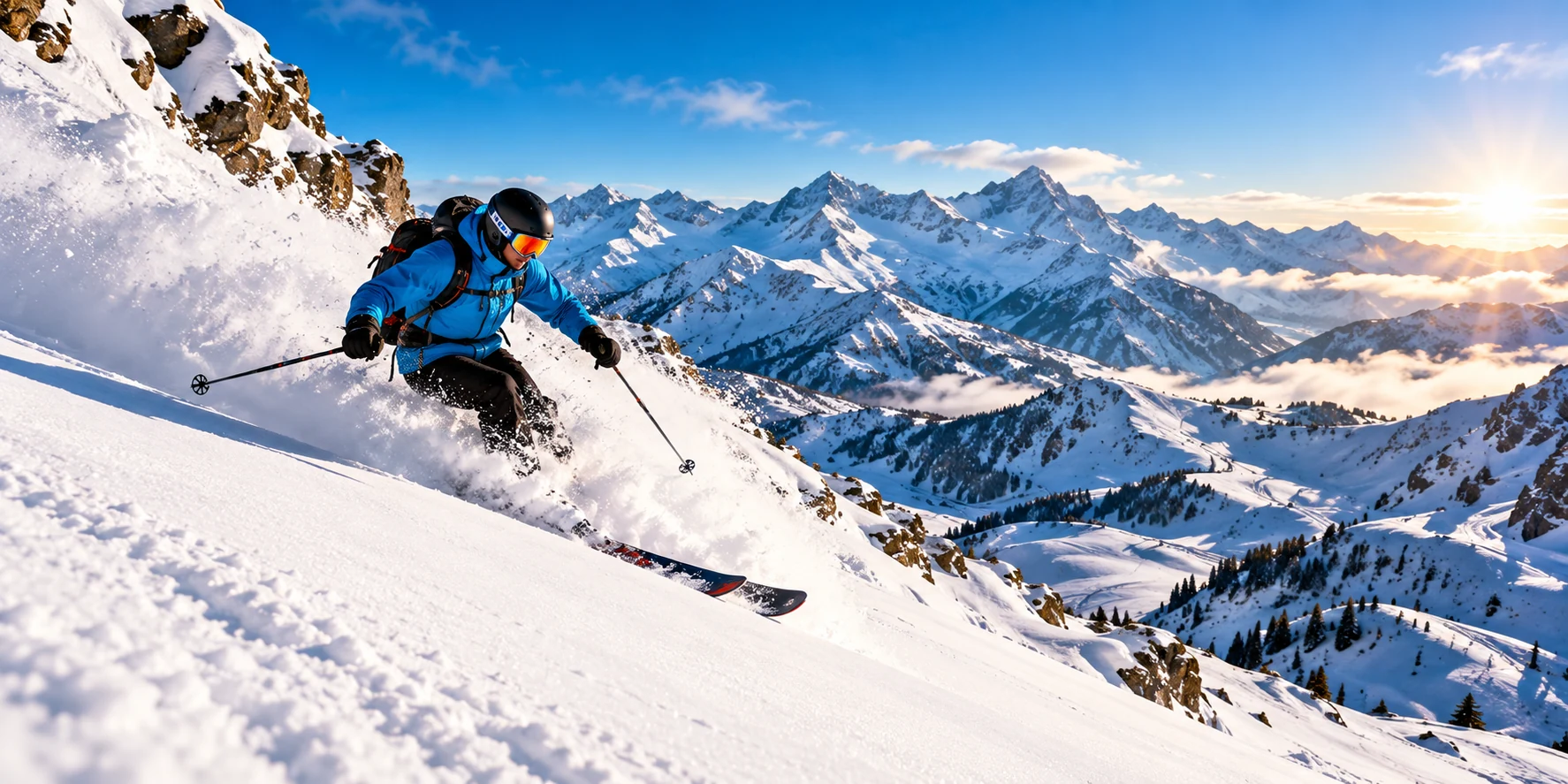
Off-piste skiing generally means skiing away from marked or groomed pistes. This can include ungroomed terrain between runs or areas immediately beside a piste.
Having Winter Sports Cover does not necessarily mean every skiing or snowboarding activity is covered in every situation. Off-piste skiing may be subject to specific conditions.
Under Covered2Go’s current terms, conventional skiing or snowboarding may be covered when you remain within the ski area boundaries of a recognised ski resort and follow the applicable resort regulations and ski-patrol guidance.
Cover may not apply if you:
Ski-patrol guidance can include closed runs, roped-off areas, temporary hazard zones and restrictions introduced in response to changing snow or mountain conditions.
Always review the current Policy Wording before travelling.
Avalanche Risk Levels Explained
Ski resorts and avalanche services commonly use the European Avalanche Danger Scale, which ranges from Level 1 (Low) to Level 5 (Very High).
Low
Moderate
Considerable
High
Very High
These levels help skiers and snowboarders understand general snow stability and avalanche danger, particularly when considering terrain away from prepared pistes.
Avalanche risk levels themselves do not necessarily determine whether an insurance claim would be covered. Under Covered2Go’s current terms, an important consideration is whether applicable resort or ski-patrol closures, warnings, restrictions and safety instructions have been followed.
⚠️ What if an area is closed?
If an area has been closed or restricted because of avalanche danger or another hazard, entering that area could affect the cover available under your policy.
What Covered2Go Ski Travel Insurance May Include
When the appropriate Winter Sports Travel Insurance cover is in place, a Covered2Go policy may provide protection for a range of risks associated with skiing and snowboarding.
The cover and benefit limits available depend on the policy selected, and all benefits remain subject to the applicable terms, limits, excesses and exclusions.
Up to £10 million, depending on the policy selected. Eligible mountain rescue, medically necessary helicopter evacuation and repatriation may also be included.
Up to £1,500 for eligible loss, theft or damage to ski or snowboard equipment, subject to the applicable policy terms and limits.
Up to £1,500 towards eligible replacement hire costs if insured equipment is delayed, lost or stolen.
Up to £500 where the relevant policy conditions for piste closure are met.
Up to £1,500 for eligible unused ski passes, ski school or equipment hire following an insured event such as illness or injury.
Up to £10,000, depending on the policy selected, where an eligible insured event causes you to cancel or cut short your trip.
Up to £2 million where the relevant personal liability terms and conditions are met.
Access to emergency medical assistance while travelling, where required.
How to Reduce Risk on the Slopes
Travel insurance can provide important financial protection, but safe decision-making on the mountain remains essential.
Review local avalanche bulletins and mountain conditions before leaving prepared pistes.
Follow instructions issued by the resort or ski patrol and observe local warning signs.
Do not enter areas that have been closed or restricted because of avalanche danger or another hazard.
Avoid unfamiliar or challenging off-piste terrain where conditions or your own level of experience make it unsuitable.
Appropriate avalanche safety equipment may be recommended when travelling away from prepared pistes.
Experienced guides, instructors and local ski patrol can provide valuable guidance about mountain conditions.
For destination-specific travel information before you leave the UK, check the UK Government Foreign Travel Advice.
Why Winter Sports Travel Insurance Matters
Mountain environments can change quickly, and accidents can happen even to experienced skiers and snowboarders.
Before travelling, make sure you:
- Have appropriate winter sports travel insurance in place
- Understand which skiing and snowboarding activities are included or restricted
- Check how your policy applies to off-piste skiing
- Review the geographical area of cover
- Read the relevant benefit limits and exclusions
Ski Travel Insurance FAQs
Does ski travel insurance cover avalanches?
Avalanche-related emergency medical treatment and rescue may be covered where the appropriate winter sports cover applies and all relevant policy conditions are met. Entering an area that has been closed or restricted by the resort or ski patrol could affect cover.
Am I insured if I ski off-piste?
Off-piste skiing may be covered when you remain within the recognised ski area boundaries of a resort and follow the applicable resort regulations and ski-patrol guidance. Different restrictions or exclusions may apply outside recognised resort boundaries.
Do I need winter sports travel insurance to ski in Europe?
Standard travel insurance does not necessarily include skiing or snowboarding automatically. You should make sure the appropriate winter sports cover and activity level are included for the activities you intend to take part in.
Does ski travel insurance cover helicopter rescue?
Where the appropriate cover applies, medically necessary mountain rescue and helicopter evacuation may be covered subject to the terms, conditions and limits of the policy.
Before You Head to the Slopes
Avalanche risk is one of several hazards to consider when planning a ski or snowboarding holiday. Conditions can change rapidly, particularly away from marked and prepared pistes.
Checking avalanche information, following resort guidance, skiing responsibly and making sure you have appropriate winter sports travel insurance can all form part of preparing for your trip.
Before travelling, review your policy wording carefully and make sure the activities you intend to take part in are covered.
Planning a Winter Sports Holiday?
Explore Covered2Go Winter Sports Travel Insurance and check the cover available for your planned skiing or snowboarding trip.
Cover limits, excesses, terms, conditions and exclusions apply. Benefit limits vary depending on the policy selected. Always check the current Policy Wording and your Certificate of Insurance to confirm the cover applicable to your trip and planned activities.