

Last updated: October 2026
Which Is the Best Canary Island for Winter Sun?
If you want to escape the colder UK months without travelling long-haul, the Canary Islands are one of Europe’s most popular winter getaway options.
Tenerife, Gran Canaria, Lanzarote, Fuerteventura, La Palma and La Gomera each offer something slightly different — from beach resorts and volcanic landscapes to hiking, stargazing and quieter island life.
So, which is the best Canary Island for winter sun? It really depends on the type of holiday you’re looking for.
Which Canary Island Might Suit You?
Tenerife offers beaches, resorts, sightseeing and dramatic mountain scenery.
Fuerteventura is particularly well known for its long stretches of sand.
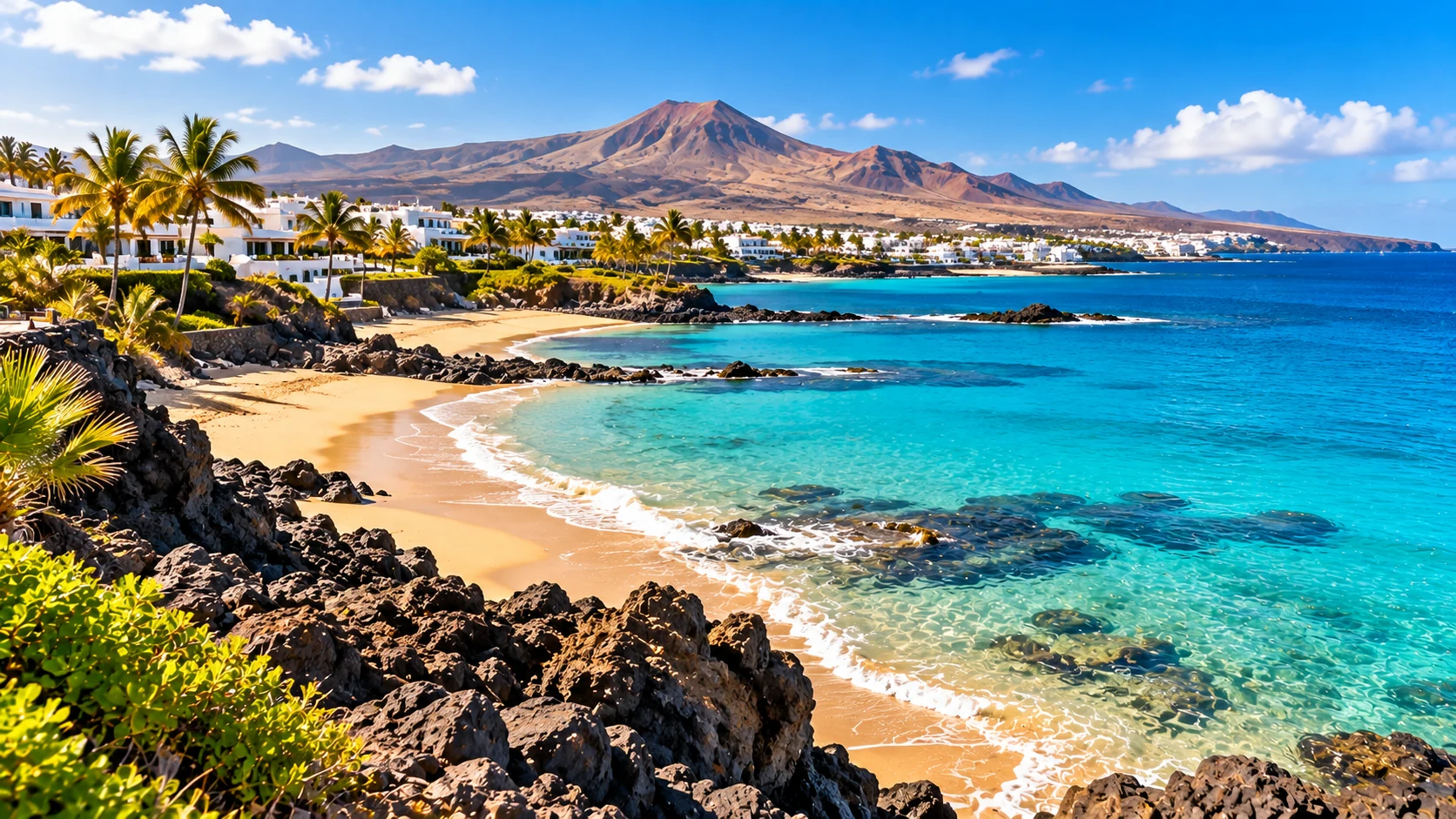
Lanzarote combines volcanic landscapes with attractive coastal resorts.
La Palma and La Gomera are strong choices for walking, scenery and a quieter pace.
1. Tenerife – The All-Rounder
Tenerife is a popular choice for winter visitors because it offers a little bit of almost everything.
The south of the island is home to well-established resort areas such as Costa Adeje and Los Cristianos, while inland you’ll find the dramatic volcanic landscapes surrounding Mount Teide.
Good for: families, couples, sightseeing, beaches and travellers who want plenty of choice.
2. Gran Canaria – Variety in One Island
Gran Canaria combines resort areas, beaches, city life and a surprisingly rugged mountainous interior.
The south is particularly popular during the winter months, with areas such as Maspalomas and Playa del Inglés offering easy access to beaches and tourist facilities.
Good for: mixed-interest groups, nightlife, beaches, sightseeing and exploring by car.
3. Lanzarote – Volcanic Landscapes
Lanzarote’s volcanic scenery gives the island a very distinctive appearance and makes it a particularly interesting choice if you want more than a straightforward resort holiday.
Timanfaya National Park is one of its best-known attractions, while Playa Blanca, Puerto del Carmen and Costa Teguise provide plenty of accommodation and coastal options.
Good for: couples, volcanic scenery, exploring and relaxed resort breaks.
4. Fuerteventura – Beaches & Open Space
Fuerteventura is particularly well known for its beaches, open landscapes and laid-back atmosphere.
Corralejo in the north and Costa Calma and Morro Jable further south are among the island’s popular bases, while breezier conditions also make Fuerteventura well known among watersports enthusiasts.
Good for: beach lovers, watersports and travellers looking for a less built-up feel.
5. La Palma – Walking & Nature
La Palma is a very different proposition from the larger resort-focused islands and is particularly attractive to visitors interested in nature and walking.
Forests, volcanic terrain, mountain viewpoints and Caldera de Taburiente National Park make it a strong destination for outdoor exploration.
Good for: hiking, stargazing, nature and quieter holidays.
6. La Gomera – Peace & Dramatic Scenery
La Gomera is one of the quieter Canary Islands and is best suited to travellers who prioritise scenery and walking over large beach resorts.
Garajonay National Park is famous for its ancient laurel forest, while winding roads connect small villages, viewpoints and walking routes across the island.
Good for: walking, tranquillity, scenery and slower-paced trips.
What Is the Canary Islands Weather Like in Winter?
The Canary Islands are known for relatively mild and stable temperatures throughout the year, which helps make them a popular European winter destination.
However, conditions are not identical across every island. Weather can vary between northern and southern coasts, and temperatures at higher altitudes can be considerably cooler than those by the sea.
Worth remembering:
Winter sun doesn’t necessarily mean hot weather every day. Pack something warmer for evenings and higher-altitude trips, and check the forecast for the specific part of the island you’re visiting.
So, Which Canary Island Should You Choose?
best for a broad mix of beaches, attractions and resort options.
best for travellers who want beaches, city life and varied scenery.
best for distinctive volcanic landscapes and exploring.
best for long beaches and a relaxed coastal atmosphere.
best for nature, walking and quieter island escapes.
Planning Activities While You’re Away?
The Canary Islands are popular for hiking, cycling, surfing, diving and other outdoor activities.
If you’re planning to take part in sports or activities, check your travel insurance before you go. Different activities, altitudes and participation conditions may require a particular Sports & Activities level.
Explore Covered2Go Sports & Activities Cover →
Before travelling:
Check current passport, entry and destination information using UK Government travel advice for Spain.
Travel Insurance for the Canary Islands
Whether you’re booking a week on the beach or an active island-hopping trip, consider travel insurance that suits your destination, activities and individual circumstances.
Depending on the policy selected and the circumstances involved, travel insurance may provide cover for certain unexpected events such as eligible emergency medical expenses, cancellation, baggage or travel disruption.
If you’re hiking, cycling, diving, surfing or taking part in another activity, check that it falls within the appropriate Sports & Activities level before participating.
More Winter Sun Inspiration
Which Canary Island Gets Your Vote?
There’s no single Canary Island that’s best for every traveller.
Tenerife and Gran Canaria offer plenty of variety, Fuerteventura is a strong choice for beaches, Lanzarote stands out for volcanic landscapes, and La Palma and La Gomera suit travellers looking for nature and a quieter pace.
Decide what matters most to you, check the forecast for your travel dates and choose the island that best fits the holiday you actually want.
Planning a Canary Islands Getaway?
Explore Covered2Go travel insurance and choose cover that suits your destination, trip and planned activities.
This article is for general information only. Temperatures and weather conditions vary and are not guaranteed. Entry requirements, travel advice and local conditions can change. Travel insurance and Sports & Activities Cover are subject to eligibility, benefit limits, excesses, terms, conditions and exclusions. Always check current official travel advice, the latest Policy Wording and your Certificate of Insurance before travelling.